Best Practices for Carpet Cleaning in Fort Collins, CO Homes

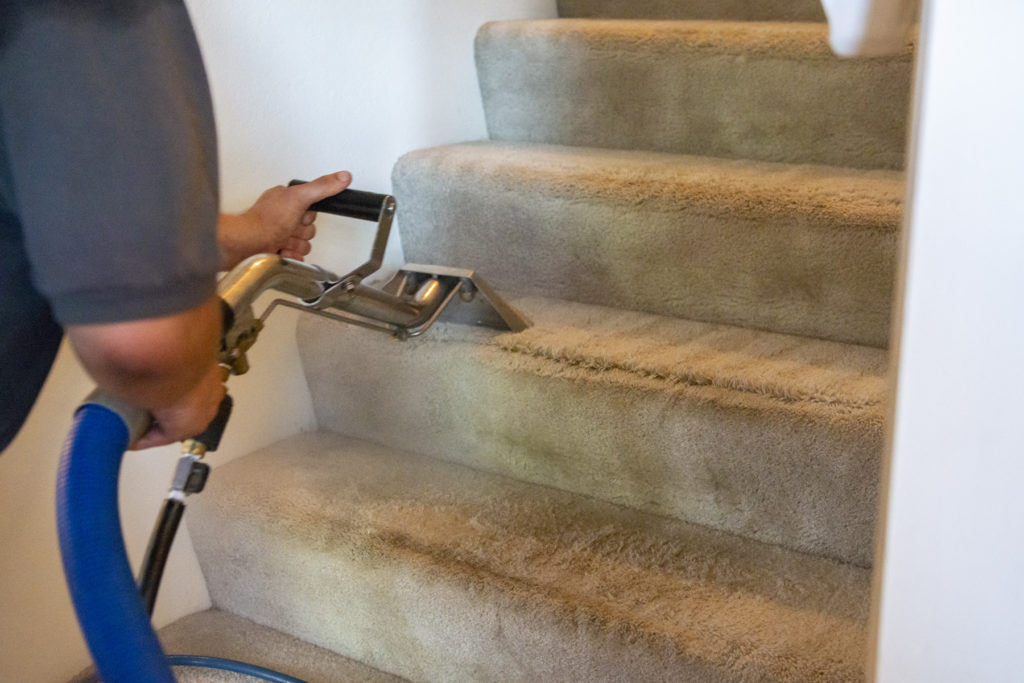

Carpet has a way of making a house feel settled. It softens sound, warms up bedrooms, and gives basements and family rooms a finished, comfortable look. In Fort Collins, though, carpet also works harder than many homeowners expect. Dry air, windblown dust, winter slush, spring mud, and the steady wear of active households all show up in the fibers. If you have pets, kids, or a home that sees a lot of foot traffic from the garage to the kitchen, you already know how fast a clean carpet can lose its fresh appearance.
Good carpet care is not just about looks. It affects indoor air quality, the lifespan of the flooring, and even how clean the rest of the home feels. A carpet loaded with fine grit acts like sandpaper underfoot. Every step grinds particles deeper into the pile and slowly wears away the fibers. In a climate like northern Colorado’s, where dry conditions can keep soils light and airborne, neglect tends to show up gradually, then all at once.
The best approach is not complicated, but it does require consistency and some judgment. The right method for a sunny living room in southeast Fort Collins is not always the same as the right method for a finished basement near Old Town or a rental near CSU with heavy turnover. Material, use, weather, and the age of the carpet all matter. So does knowing when a problem needs more than a rented machine and a weekend of effort.
Why Fort Collins carpets get dirty in their own way
Fort Collins homeowners deal with a mix of conditions that is hard on carpet. The region’s dry climate means loose dust does not always settle quickly. It gets tracked indoors, stirred up by HVAC systems, and worked into carpet over time. During snow season, melted de-icing residue and slush come in on boots. In spring, yards can turn muddy fast, especially during wet spells. Summer brings open windows, more outdoor activity, and plenty of pollen and fine debris.
Many homes here also have a lifestyle factor that matters just as much as the weather. People use trails, bike paths, parks, and open space year-round. Dogs are common. Mudrooms help, but most traffic patterns still funnel through a few zones. Hallways, stairs, family rooms, and the strip between the garage entry and the main living area usually tell the story first.
That is one reason Carpet Cleaning Fort Collins, CO searches tend to spike after winter and again during spring cleanup. Homeowners notice dark lanes, dingy edges near baseboards, and carpet that feels matted even after vacuuming. Usually, those are signs of embedded soil, not just surface dust.
Vacuuming is more important than most people think
If there is one habit that extends carpet life more than any other, it is thorough vacuuming. Not quick passes, not occasional touch-ups, but regular removal of dry soil before it gets driven deeper into the backing. Dry particulate matter is the main enemy in many homes, especially in semi-arid climates.
A common mistake is assuming vacuuming is mostly cosmetic. In practice, it is preventive maintenance. Fine grit cuts fibers, dulls color, and causes matting long before a stain becomes visible. I have seen carpets that looked worn out at seven years old largely because they were under-vacuumed, while similar carpets in comparable homes held up much better after a decade because the owners stayed consistent.
Frequency should match use. A low-traffic guest room might need vacuuming once a week or even less. A main living space with pets and kids often needs attention two to four times a week. Entry routes during winter sometimes need quick daily passes. The goal is not perfection. It is soil control.
Technique matters too. Slow strokes are more effective than fast ones, especially with upright vacuums. High-traffic lanes benefit from overlapping passes from more than one direction. And if your vacuum height is set too low, it can reduce airflow and make cleaning less effective. Too high, and it misses debris sitting Carpet Cleaning Fort Collins, CO lower in the pile. That simple adjustment is often overlooked.
Match the cleaning method to the carpet, not the other way around
Homeowners often ask whether steam cleaning is best, or whether low-moisture cleaning is better. The real answer depends on the carpet, the level of soiling, and the household’s needs.
Hot water extraction, often called steam cleaning even though it usually involves hot water rather than true steam, is one of the most effective deep-cleaning methods when done correctly. It flushes out embedded soil, removes residues, and refreshes matted traffic areas. For many wall-to-wall carpets in active homes, it is the standard deep-cleaning choice. The catch is that it needs proper equipment, enough extraction power, and adequate drying conditions. If the carpet is left too wet, problems can follow, including odors, wicking, or delayed drying in shaded rooms and basements.
Low-moisture methods can be useful in specific situations. They often dry faster and work well for maintenance cleaning or commercial-style loop carpets. They can also make sense when homeowners need the space back in use quickly. But they are not always the best answer for heavily soiled residential carpet with pet residue or deep traffic lane buildup.
There is also the question of fiber type. Nylon is durable and responds well to professional cleaning. Polyester is stain resistant but can attract oily soils. Wool needs a gentler approach, lower alkalinity, and experienced handling. A one-size-fits-all treatment can do more harm than good, especially with specialty fibers or older carpet.
That is why the best Carpet Cleaning Fort Collins, CO service is not simply the cheapest truck or the fastest quote. It is the company that asks smart questions about the fiber, age, use, and problem areas before recommending a process.
The biggest problem with do-it-yourself machine rentals
Rental machines can help in a pinch, but they have limits. They are usually less powerful than professional equipment, which means they often apply plenty of water without recovering enough of it. That is where trouble starts. A carpet may look cleaner for a day or two, then develop dull patches as soils wick back to the surface. In other cases, detergent residue remains behind and attracts new dirt faster.
Another issue is overconfidence. Homeowners understandably focus on visible spots and try repeated passes in one area. That can oversaturate the backing or pad, especially near seams or along furniture edges. In upstairs rooms or on thicker carpet, drying can drag on longer than expected.
This does not mean rental machines are never useful. For a small, recent spill in a durable synthetic carpet, they can be workable if used carefully and sparingly. But for whole-home cleaning, pet issues, or carpets that already look tired and gray, professional extraction is usually more effective and often less costly than replacing carpet early.
Timing matters more than people realize
In Fort Collins, season affects both how carpets get dirty and how they dry after cleaning. Winter and early spring bring some of the toughest messes, but they are not always the easiest times for deep cleaning. Snowmelt, lower sun angles, and closed-up houses can slow drying. That does not mean you should avoid professional cleaning in cold months, only that airflow and indoor humidity need more attention.
Late spring through early fall often offers the easiest drying conditions. Windows can be cracked, ceiling fans can run, and HVAC systems are not competing with heavy winter conditions. Still, summer has its own challenges if monsoon moisture rolls in or if a basement already runs cool and damp.
What works best for many households is a practical rhythm. Deep clean once or twice a year, then support that with regular vacuuming and quick response to spills. Homes with multiple pets, young children, or light-colored carpet may need professional cleaning every six to nine months. Lower-traffic homes may do very well with annual service.
The first ten minutes after a spill are critical
Most stains become much harder to remove not because they are permanent from the start, but because the first response pushes them deeper or sets them chemically. Rubbing is the usual culprit. So is applying too much product too soon.
When something spills, the best response is controlled and simple:
- Blot immediately with a clean white towel or paper towel, pressing down rather than scrubbing.
- Remove as much liquid as possible before adding any cleaning solution.
- Use a small amount of appropriate spot cleaner or plain water first, depending on the spill and the carpet type.
- Blot again from the outside of the spot toward the center to limit spreading.
- Dry the area thoroughly with towels and airflow so moisture does not linger in the backing.
That sequence sounds basic, but it prevents a lot of damage. Red wine, coffee, pet accidents, and oily food spills all behave differently, yet the early principle stays the same. Remove bulk soil, avoid friction, and do not soak the carpet.
A brief word about store-bought spotters: more is rarely better. Overapplied stain removers can bleach dyes, leave sticky residues, or react poorly with prior treatments. If you are not certain what fiber you have, caution is wiser than aggressive chemistry.
Pet accidents need a different response
Pet urine is one of the most misunderstood carpet issues. The visible spot is often only part of the problem. Liquid can move through the carpet into the pad and even the subfloor, especially if the incident is not caught immediately. Surface cleaning may improve odor for a short time while leaving contamination below.
That is why recurring smell in a room that “was cleaned already” is so common. The top fibers may be fine, but the deeper layers are still affected. Proper treatment depends on the age and severity of the problem. Fresh accidents can sometimes be managed with prompt blotting and enzyme-based treatment formulated for carpet. Older or repeated contamination often requires flushing, extraction, and in some cases pad replacement or subfloor sealing in a localized area.
This is an area where homeowners often spend money twice. They buy several products, try multiple rounds of cleaning, and then call a professional anyway when odors return on humid days. If the smell has persisted for weeks or months, or if pets keep returning to the same spot, a deeper inspection is usually justified.
High-traffic lanes tell the truth about carpet maintenance
The rest of a room can look acceptable while the main walking path looks flat and dark. That contrast is not just dirt. It is a combination of wear, crushed pile, and embedded soil. Professional cleaning can remove a surprising amount of the buildup, but it cannot reverse permanent fiber damage.
This distinction matters when setting expectations. Homeowners sometimes hope a deep cleaning will make a ten-year-old hallway look new again. Sometimes the result is excellent. Sometimes the improvement is real but limited by wear. Good cleaners will say so upfront. They can often improve appearance significantly, but they cannot restore missing texture or color lost to abrasion and sun fading.
That said, early intervention makes a huge difference. Cleaning traffic lanes before they turn blackened and matted gives much better long-term results than waiting until the carpet looks exhausted. If you have a favorite path through the home, that area needs more frequent vacuuming and earlier deep cleaning than the rest of the room.
The value of entry control in Colorado homes
One of the simplest ways to protect carpet is to reduce what reaches it in the first place. In Fort Collins homes, that often comes down to entries. The front door matters, but the garage entry usually matters more. That is where snow residue, gravel, grass clippings, and trail dust tend to enter.
A good mat system helps, especially when paired with habits that people actually follow. A small decorative mat is not enough by itself. The more soil removed at the threshold, the less ends up in the carpet pile. Homes with hard-surface flooring at entries already have an advantage, but the nearby carpet still catches whatever remains on shoes and paws.
Here are a few practical habits that reduce wear without much effort:
- Use absorbent mats both outside and inside the busiest entrances.
- Ask family and guests to remove shoes, especially during snow and mud season.
- Keep a towel near the door for wet dogs and muddy footwear.
- Vacuum entry-adjacent carpet more often than the rest of the house.
- Rearrange furniture slightly when possible to distribute traffic patterns over time.
These are not glamorous fixes, but they work. In many homes, a modest change at the entry does more for carpet appearance than an extra bottle of cleaner under the sink.
Beware of over-wetting and fast fixes
If there is one mistake I have seen repeatedly, it is trying too hard to force a result. Homeowners encounter a stubborn stain, apply more solution, add hot water, scrub harder, and assume persistence will win. With carpet, that often backfires. Excess moisture can soak into the pad, loosen latex in the backing, or create long dry times that invite odor and wicking.
The same goes for internet remedies. Vinegar has valid uses in some cleaning contexts, but it is not a universal stain solution. Baking soda can help with odor in very limited situations, but it is often overused and then difficult to remove fully from carpet. Dish soap can cut grease, yet it can also leave residue if not rinsed properly. The issue is not that these items are always wrong. It is that carpet problems are more specific than social media tips usually admit.
Professional judgment often comes down to doing less, not more. The right product in a small amount, used with proper extraction, outperforms a kitchen-sink approach almost every time.
Basements, rentals, and family homes all need different strategies
Fort Collins has a wide mix of housing, from older homes with finished basements to newer developments with open-plan living spaces and carpeted upstairs levels. Carpet care should reflect that context.
Basements need extra attention to drying and humidity. Even if a basement feels comfortable, the lower temperature can slow evaporation after cleaning. Air movers and dehumidification matter more there than in an upstairs bedroom with sun exposure.
Rental properties present another challenge. Turnover often means deferred maintenance, unknown stain history, and heavier wear. In these cases, a cleaner has to separate removable soil from irreversible damage quickly. Sometimes restorative cleaning is worthwhile. Sometimes replacement is the more honest recommendation.
Family homes with children usually need a strategy built around frequency rather than intensity. Smaller, timely interventions beat occasional heroic efforts. Spot clean spills quickly, vacuum often, and schedule deep cleaning before the carpet looks visibly bad. That is how you preserve both appearance and texture.
When to call a professional instead of trying one more product
Some carpet issues are routine. Others are a sign to stop experimenting. If a stain has changed color, spread after cleaning, or returned repeatedly, the problem is no longer simple. Carpet Cleaning Fort Collins, CO If a room smells musty after prior cleaning, moisture may have been left behind. If pet odor resurfaces in the afternoon warmth, the source is probably deeper than the pile.
Professional service is often the smart move when you are dealing with any of the following: recurring stains, heavy traffic lane buildup, whole-home dullness, odor issues, delicate fibers like wool, or carpet that has not been deep cleaned in several years. A reputable technician should be able to explain what is likely removable, what is wear rather than soil, how long drying should take, and what aftercare will help the result last.
That transparency matters. Honest carpet cleaning is part technical skill, part expectation management. The best providers do not promise miracles. They explain the condition of the carpet, choose a method that fits, and leave the home cleaner without creating new problems.
A realistic maintenance rhythm for Fort Collins households
For most homes, the best results come from a simple annual plan rather than random cleaning when things look bad. That rhythm can be adjusted based on pets, children, carpet color, and how much outdoor life comes indoors.
A practical schedule often looks like this:
- Vacuum high-traffic areas two to four times per week, other rooms weekly as needed.
- Treat spills immediately with blotting and minimal product.
- Deep clean the whole home every 12 months, or every 6 to 9 months in busier households.
- Inspect entries, hallways, and pet zones seasonally for early buildup.
- Address odor or recurring stains promptly before they spread into the pad or backing.
This kind of routine is not excessive. It is preventive. Compared with premature carpet replacement, it is also economical.
Clean carpet lasts longer when expectations stay grounded
Even excellent care cannot turn carpet into a maintenance-free surface. Fibers wear. Sunlight fades certain colors. Cheap carpet in a busy hallway will not age like premium nylon in a formal room. The goal is not to eliminate all signs of life in a lived-in home. It is to keep the carpet hygienic, attractive, and serviceable for as long as the material reasonably allows.
Homeowners in Fort Collins have an advantage when they understand their local conditions. Dust is part of the environment. Snow and mud are seasonal realities. Active households bring the outdoors in. Once you plan for those factors instead of reacting to them, carpet care gets easier.
If you stay ahead of dry soil, respond correctly to spills, avoid over-wetting, and bring in professional help before buildup becomes severe, your carpet has a much better chance of aging well. That is the real standard for Carpet Cleaning Fort Collins, CO homes, not a perfect showroom look, but a floor that holds up beautifully to real Colorado living.
TLC Carpet & Air Duct Cleaning
921 E Prospect Rd, Suite C
Fort Collins, CO 80525
(970) 352-8176
FAQ About Carpet Cleaning Fort Collins, CO
What is the best time of year to clean carpets in Fort Collins, CO?
Choose a day when you can give the carpet time to dry and keep foot traffic low. Ventilation and indoor humidity can matter more than the season.
How long will my carpet take to dry after cleaning?
Drying time varies with the carpet, cleaning method, humidity, and airflow. Ask the technician for an estimate and when to move furniture back.
How do I prepare my home for carpet cleaning?
Pick up small items, clear a path for equipment, and point out stains or delicate fibers. Ask the cleaner which furniture they can move and what needs to be moved before the visit.