Carpet Cleaning Fort Collins, CO: Preparing Your Home for Service
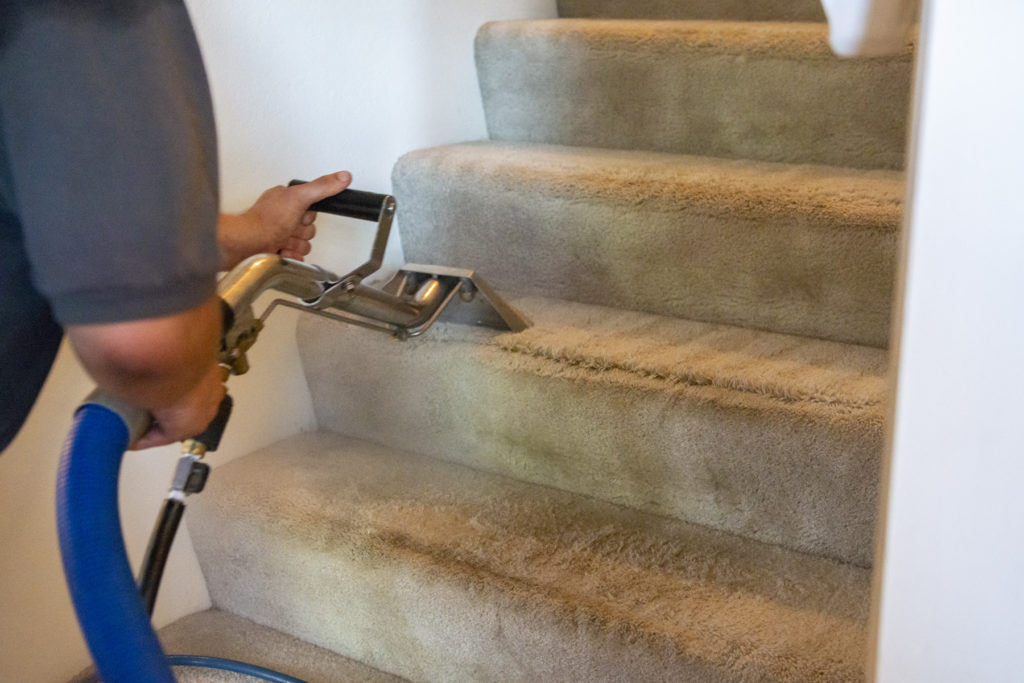


Scheduling professional carpet cleaning sounds simple until the appointment is on the calendar and you start noticing everything that lives on the floor. Shoes by the entry. Dining chairs that suddenly feel heavier than they did last week. A dog bed in the family room, toy bins in the corner, cords under the desk, and a hallway runner that always bunches up when someone walks over it.
Preparation does not need to be complicated, but it does matter. The condition of the room before the technician arrives affects access, cleaning results, drying time, and how smoothly the whole visit goes. Homeowners in Northern Colorado often deal with a specific mix of challenges, including spring mud, winter de-icer, dry air, pet hair, and the fine dust that seems to work its way in no matter how often the windows stay shut. In homes around Fort Collins, carpet cleaning is rarely just about appearance. It is often about soil removal, odor control, and extending the life of the carpet in a climate that can be tough on fibers.
If you are booking Carpet Cleaning Fort Collins, CO service for the first time, or if it has been a while, a little planning makes the appointment easier on everyone.
Why preparation changes the quality of the clean
A professional cleaner can do good work in almost any occupied home, but there is a clear difference between a room that is ready and a room that is not. When furniture blocks major sections of carpet, the technician has to work around islands of clutter or spend time shifting pieces that could have been moved in advance. That lost time is not just an inconvenience. It changes how much attention can go toward traffic lanes, spotting, grooming, and moisture extraction.
Preparation also protects your belongings. Lamps with delicate shades, low bookshelves full of framed photos, floor-length drapes, pet dishes, and electronics placed near baseboards all create little risk points. Most experienced cleaners know how to work safely around them, but it is still best to create as much open space as practical.
There is another factor homeowners do not always consider: realistic expectations. Carpet cleaning improves soil load, appearance, and freshness, but it does not erase wear. A hallway that has been walked on for eight years may look cleaner and brighter afterward, yet still show pile distortion. A rust stain under a planter may lighten without disappearing. Preparing your home includes preparing your expectations, which makes the final result easier to evaluate fairly.
Start with a room-by-room walk-through
A quick walk-through the day before service helps more than people think. Stand in each room that will be cleaned and look at it the way a technician would. Ask yourself three simple questions. Can the wand or hose reach all major carpeted areas easily? Is there anything fragile at floor level? Are there stains or problem spots that need to be pointed out before cleaning starts?
Most homeowners spot the obvious items right away, but a walk-through also reveals the less obvious obstacles. Office chairs with rolling bases tend to collect hair and dust that can tangle during movement. Lightweight accent tables often have narrow legs that tip easily. Children’s rooms may have storage under the bed that sticks out farther than expected. In basements, exercise equipment and extension cords often create the biggest delay.
This is also the time to think about access to the home. If your cleaner uses truck-mounted equipment, they may run hoses from the van to the entry point. That means they need a sensible path from the driveway or curb to the areas being cleaned. If that path is crowded with shoes, bikes, potted plants, Carpet Cleaning Fort Collins, CO or seasonal decor, move those items ahead of time. In Fort Collins neighborhoods with tight parking, detached garages, or longer walkways, access planning can shave real time off the visit.
What to move, and what to leave
Not every piece of furniture needs to disappear before a cleaning appointment. In fact, trying to empty a room completely can create more strain than benefit, especially if you are moving heavy items without help. The better approach is selective clearing.
Small and medium items should usually be moved by the homeowner before service. Think dining chairs, ottomans, floor lamps, baskets, pet beds, side tables, and anything decorative or fragile. These items are easy to relocate temporarily and open up a surprising amount of floor area.
Large furniture is different. Beds, dressers, entertainment centers, bookcases, and full china cabinets are often left in place. Many cleaning companies will move certain manageable pieces, such as a sofa or coffee table, but policies vary. Some crews will shift heavier furniture carefully and place protective tabs or blocks under legs during drying. Others prefer the homeowner to move anything they want cleaned underneath. It is worth clarifying this before the appointment instead of assuming.
A practical rule works well here. If a piece is valuable, fragile, unusually heavy, or difficult to reassemble if damaged, ask before anyone touches it. That includes adjustable desks, antique furniture, and items with weak joints or glass tops.
Vacuuming before the appointment is usually worth it
People often ask whether they should vacuum before professional carpet cleaning. In most homes, yes. Dry soil removal is the first stage of good carpet care. Grit, hair, dust, and loose debris are easier to remove dry than once they become part of a damp slurry during extraction.
Some companies include pre-vacuuming in the service, and some do not. Even when they do, a solid homeowner vacuuming the day before can still help, especially in rooms with shedding pets or heavy traffic. It is not about doing the cleaner’s job for them. It is about clearing the top layer so more attention can go to embedded soil and spotting.
There are a few exceptions. If the carpet is heavily soiled with construction dust, ash, or recent breakage from glass or ceramics, tell the company first and ask how they want you to handle it. Fine debris and sharp fragments sometimes call for a particular process or equipment. In those cases, well-intended prep can make cleanup harder if done improperly.
Pay attention to stains, but do not experiment the night before
One of the most common mistakes homeowners make is trying a last-minute internet remedy before professional service. Dish soap, vinegar, baking soda paste, hydrogen peroxide, and retail spotters all have their place, but casual mixing creates problems all the time. Sticky detergent residue attracts fresh soil. Overwetting can spread a spill into the pad. Strong oxidizers can bleach color. Scrubbing can fray fibers and permanently fuzz a small area.
A better approach is to identify problem spots and tell the technician exactly what you know. If the red mark in the family room came from sports drink, say so. If the dark patch by the recliner is old body oil buildup, mention that too. Good cleaners make decisions based on the likely source of the stain, the carpet fiber, the age of the issue, and what may already have been applied.
That history matters. I have seen areas where a pet accident should have responded well, but three rounds of grocery-store carpet shampoo left such a gummy residue that the real challenge was not the original stain, it was undoing the home treatment.
Make life easier for pets and children
On cleaning day, hoses, equipment, open doors, and wet Carpet Cleaning Fort Collins, CO carpet create a poor setup for pets and small children. Even calm animals can become stressed by unfamiliar noise. Dogs may bark at the wand or bolt when the front door opens repeatedly. Cats tend to vanish until someone moves a hose and they decide to sprint across a damp room.
The safest choice is to keep pets secured in a quiet room that is not being cleaned, or arrange for them to be out of the house during the appointment. The same logic applies to young children. It is difficult to maneuver around a toddler who wants to follow the technician from room to room, and recently cleaned carpet is not a place for bare feet, snacks, or toys with wheels.
If you use baby gates, set them up before the crew arrives. If your dog has a predictable reaction to strangers, mention that when confirming the appointment. A little candor prevents awkward moments at the door.
The simple prep work that saves the most time
The best preparation is usually modest and practical. You do not need to stage your home like it is going on the market. You just need to remove the things that interfere with cleaning.
- Pick up small items from the floor, including toys, shoes, baskets, chargers, and pet accessories.
- Move lightweight furniture and fragile decor from the rooms being cleaned.
- Vacuum high-traffic areas if your provider recommends it or if pet hair is heavy.
- Identify stains, odors, or damaged carpet areas so you can point them out immediately.
- Create a clear path from the entry to the rooms being serviced.
That amount of effort is enough in most homes. Going much farther often produces diminishing returns.
What to discuss before the technician starts
The first few minutes of the appointment set the tone for the entire service call. Once the technician arrives, walk the space with them if possible. Show them the rooms included, mention any problem areas, and ask direct questions about anything you are unsure about.
This is the right moment to discuss furniture movement, expected drying time, pet odor treatment, and whether any stains are likely to remain. It is also the time to mention previous repairs, loose transitions, buckling seams, or areas where the carpet has pulled away slightly from the wall. Those conditions do not always stop a cleaning, but the technician should know about them.
Homeowners sometimes hesitate to say, “This room matters more than the others,” but that kind of honesty is useful. If the upstairs landing is your biggest concern because of visible traffic lanes, say so. If the guest room can be skipped if time runs short, mention it. Service goes better when priorities are clear.
Drying time in Fort Collins homes is rarely one-size-fits-all
A common question after Carpet Cleaning Fort Collins, CO service is how long the carpet will take to dry. The answer depends on method, humidity, airflow, carpet density, and how heavily soiled the rooms were to begin with. In a dry Colorado climate, carpet can dry faster than many people expect, but dry outdoor air does not guarantee a short indoor drying window. Basements, shaded rooms, and homes with limited ventilation often take longer.
Most homeowners should expect damp carpet for several hours, with some areas drying faster than others. Traffic lanes near entries and spaces under furniture edges may hold moisture longer. Thick plush carpet can feel dry on top while the backing is still releasing moisture underneath.
Air movement matters more than people think. Ceiling fans, HVAC circulation, and open interior doors all help. On mild days, cracked windows can speed things along, but this depends on outdoor conditions. During wildfire smoke events, dusty wind, or very hot afternoons, opening the house may do more harm than good. That is where local judgment comes in. A technician familiar with the region can usually give better advice after seeing your specific rooms than any generic drying estimate can provide over the phone.
Plan for the first 24 hours after cleaning
The work is not over the moment the hoses are packed up. What you do in the next day affects the final result, especially in high-use homes.
- Stay off the carpet until it is dry enough for light foot traffic, and wear clean socks if you need to walk on it sooner.
- Keep pets, area rugs, and children’s play items off damp carpet until drying is complete.
- Leave protective tabs or blocks under furniture legs until the cleaner says they can be removed.
- Run fans or your HVAC system to improve airflow and shorten drying time.
- Wait to replace heavier furniture exactly where it was until the carpet is mostly dry.
That short period of caution prevents wick-back, furniture stains, and fresh soil from sticking to damp fibers.
Dealing with pet odors, winter grime, and other local realities
Fort Collins homes see a particular kind of carpet wear. In winter, de-icing residue and tracked-in moisture gather around entryways. In spring, muddy paw prints arrive in waves, especially during thaw and rain. In summer, open windows and backyard traffic bring in fine dust and grass stains. Then there is pet odor, which can be mild and occasional or deep enough to involve the pad and subfloor.
Each of those conditions changes how you should prepare. If odor is your biggest issue, do not just tidy the room. Tell the company that odor removal matters and ask what level of treatment is realistic. Surface cleaning and true urine remediation are not the same thing. The first may improve smell temporarily. The second can involve targeted treatment, saturation of affected areas, and additional drying time. It costs more for a reason.
For winter grime, focus your prep around entries and transition areas. These spots often need more detailed attention than the rest of the room, and technicians appreciate knowing whether there is salt residue, melted snow, or old staining from boots. If you use washable runners during winter, remove them beforehand so the underlying carpet is exposed and ready.
Homes with allergy concerns should also mention that upfront. Fine dust and dander are common reasons people schedule cleaning in the first place, and the technician may suggest a different approach depending on fiber type and soil load.
Furniture, tabs, and the small details people overlook
After a cleaning, you may notice little plastic or foam pieces under furniture legs. These are not random leftovers. They are there to protect damp carpet from wood stain transfer, rust marks, and pressure damage while the fibers dry and recover.
Leave them in place as instructed. Pulling them too early can create exactly the kind of ring or rust spot nobody wants. The same goes for setting decorative items back too quickly. A basket with a dyed bottom, a metal plant stand, or a rough wooden bench can leave a mark if placed on damp carpet.
Window treatments are another detail worth checking. Long drapes that rest on the carpet should be pinned up or tucked temporarily if they might wick moisture or pick up soil from the freshly cleaned surface. Most people do not think about this until they see a damp curtain hem the next morning.
When preparation should be minimal
There are situations where less is more. Elderly homeowners, people recovering from surgery, and busy families with limited time do not need to overexert themselves before a carpet cleaning appointment. If moving chairs and clearing rooms is physically difficult, talk to the company when booking. Many reputable providers can tailor the service, clean around heavier items, or schedule enough time to handle moderate furniture movement safely.
The same is true in occupied homes with babies, work-from-home schedules, or ongoing remodeling. Perfect prep is not the goal. Functional prep is. If the family room can be cleared but the home office must stay partially operational, say so. Good service providers work in real houses, not showroom spaces.
Choosing the right expectations for results
Preparation improves access and efficiency, but it does not override carpet condition. Age, fiber type, previous cleanings, and wear patterns all matter. Nylon generally responds differently than polyester. Olefin can hold oily soil in a stubborn way. Berber and looped constructions present their own challenges, especially when snags or filtration lines are involved.
This is why experienced homeowners judge the outcome by several measures at once. Does the carpet look brighter? Do the traffic lanes appear reduced? Does the room smell cleaner? Is the texture better after drying and grooming? Did the technician identify any permanent issues honestly instead of overpromising?
That last point matters. The most trustworthy carpet cleaners are often the ones who tell you where improvement is likely, where it is uncertain, and where damage is permanent. If someone promises to make every stain disappear without seeing the room, caution is reasonable.
The appointment goes best when the house is ready, not perfect
There is no prize for turning a lived-in home into an empty shell before carpet cleaning. The goal is simpler than that. Open up the floor as much as is practical. Remove fragile items. Give the technician a clean path in and out. Mention your concerns clearly. Then let the process work.
For homeowners booking Carpet Cleaning Fort Collins, CO service, that level of preparation usually leads to the best blend of convenience, cleaning quality, and realistic results. It respects your time, helps the technician do better work, and reduces the little avoidable problems that tend to happen when everyone is rushed.
Most carpet cleaning appointments are smoother than people expect. A few smart decisions the day before are usually all it takes.
TLC Carpet & Air Duct Cleaning
921 E Prospect Rd, Suite C
Fort Collins, CO 80525
(970) 352-8176
FAQ About Carpet Cleaning Fort Collins, CO
What is the best time of year to clean carpets in Fort Collins, CO?
Choose a day when you can give the carpet time to dry and keep foot traffic low. Ventilation and indoor humidity can matter more than the season.
How long will my carpet take to dry after cleaning?
Drying time varies with the carpet, cleaning method, humidity, and airflow. Ask the technician for an estimate and when to move furniture back.
How do I prepare my home for carpet cleaning?
Pick up small items, clear a path for equipment, and point out stains or delicate fibers. Ask the cleaner which furniture they can move and what needs to be moved before the visit.