Carpet Cleaning Fort Collins, CO: Why Regular Service Matters


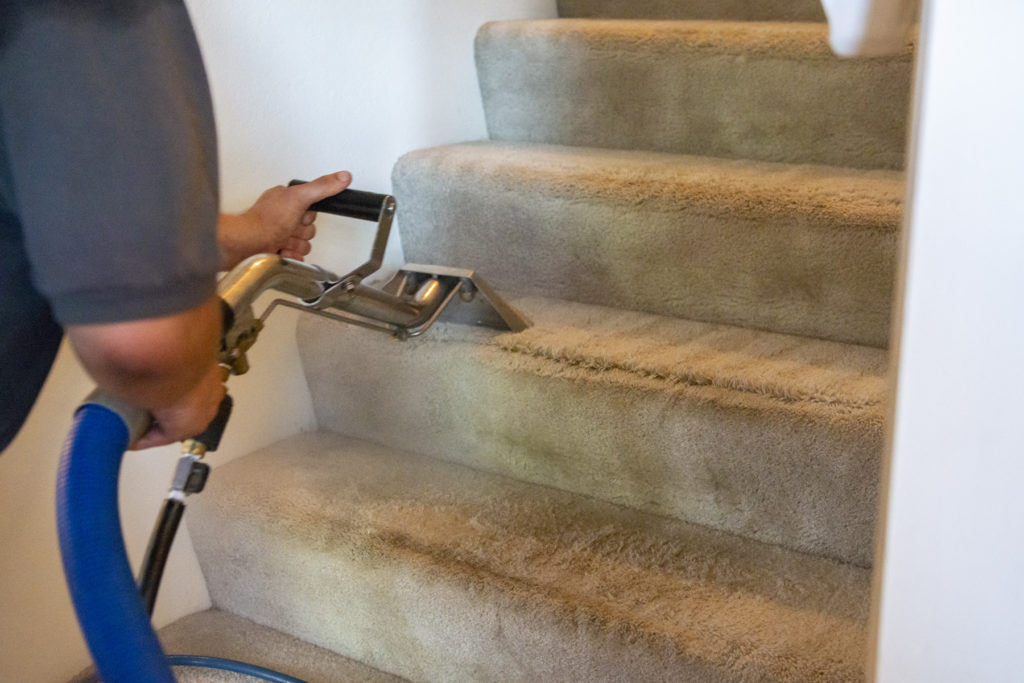
Carpet has a way of changing how a home feels. Walk into a room with clean, well-kept carpet and the space feels quieter, warmer, and more cared for. Walk into one where traffic lanes are dark, fibers are matted down, and a faint odor hangs in the air, and the whole room seems tired, even if everything else is in good shape.
That difference is not just cosmetic. Regular carpet care affects indoor air quality, the life of the flooring, and the amount of money a homeowner will spend over time. In a place like Fort Collins, those benefits are even more noticeable because local conditions put carpet under steady pressure. Dry air, wind, dust, snow, de-icing residue, mud from trails and open spaces, and the wear that comes with active households all show up in carpet long before many people expect.
When people search for Carpet Cleaning Fort Collins, CO, they are often reacting to a visible problem: a stain, a smell, or a room that no longer looks fresh. What gets missed is the value of routine service before carpet looks bad. In practice, the best time to clean carpet is usually earlier than most homeowners think.
Fort Collins homes put carpet through a lot
Fort Collins has a lifestyle that many people love for good reason. There is easy access to trails, parks, foothills, bikes, dogs, kids, and all the debris that comes with them. Even in tidy homes, carpet acts like a filter. It catches grit, skin cells, pollen, pet hair, soil from shoes, and fine dust carried in from outside. That is part of what makes a carpeted room feel softer and less echoey, but the trade-off is that the carpet holds onto what enters the house.
The Front Range climate adds another layer. Dry conditions can keep some spills from turning into immediate mildew issues, but they also make loose dust more mobile. Fine particles settle into carpet and then get driven deeper as people walk over them. During winter, melted snow can carry salts and dark soil into entryways and hallways. In spring and summer, pollen and outdoor dust often increase. In fall, leaves and organic debris get tracked in. Across all seasons, the carpet takes the hit.
A lot of this debris is abrasive. It does not need to be visible to do damage. Think of sandpaper working slowly under thousands of footsteps. Each step presses tiny particles against the yarn, fraying and dulling fibers over time. That is one reason older carpet can start to look gray or flat even after vacuuming. The issue is not only surface dirt. It is embedded wear.
Vacuuming helps, but it is not the same as professional cleaning
A good vacuum is essential, and in many homes it should be used more often than people prefer to admit. High-traffic areas may need attention several times a week. Even so, vacuuming has limits. It removes loose soil near the surface and can pick up some deeper debris if the machine is powerful and the carpet is not too packed down. What it does not do well is flush out sticky residues, oils, compacted soil, or contaminants that have bonded to the fibers.
That distinction matters. Once oily soil and residue build up, carpet tends to resoil faster. Homeowners often describe this as, “It looked clean for a week, then the traffic lanes came right back.” In many cases, the carpet was never fully rinsed of what was buried deeper in the pile. Spot treatments from store shelves can make this worse if they leave behind soap or attract more dirt.
Professional cleaning, when done correctly, addresses that deeper layer. It lifts soil that regular maintenance cannot reach and removes residues that keep carpet from staying clean. It also gives a technician a chance to spot early issues, such as filtration lines along baseboards, recurring pet accidents, wear patterns near transitions, or signs of backing damage from over-wetting or past DIY attempts.
Why regular service costs less than waiting
One of the most common misconceptions is that carpet cleaning is something you do only when the carpet looks dirty. That approach tends to be more expensive in the long run because by the time visible soiling appears, the carpet is already carrying a much heavier load of embedded debris.
Routine service is less about restoring a neglected floor and more about protecting an asset. Replacement is where the real expense lives. Even moderate-grade carpet and pad for a few rooms can run into several thousand dollars once materials, labor, moving furniture, and disposal are included. For larger homes, that number climbs quickly. Regular cleaning does not make carpet Carpet Cleaning Fort Collins, CO tlccarpetcleaningnortherncolorado.com last forever, but it can materially extend usable life and preserve appearance far longer than sporadic cleanings done only in emergencies.
Manufacturers have long recognized this relationship, which is why many warranty guidelines emphasize maintenance. The exact cleaning interval varies by carpet type, household activity, and occupancy, but the basic logic is simple: if dirt grinds into the fibers month after month, wear accelerates.
A homeowner with two kids, a dog, and a busy main floor might need professional cleaning every 6 to 12 months in the highest-use areas. A quieter household with no pets and limited foot traffic might do well with a longer interval. There is no honest one-size-fits-all answer, and that is part of what makes experienced judgment valuable.
Indoor air quality is part of the conversation
Carpet cleaning discussions often get framed around appearance, but comfort inside the home matters too. Carpets can trap allergens and particulates that would otherwise stay airborne, which is not necessarily a bad thing if the material is maintained. The problem comes when the carpet becomes overloaded and everyday traffic stirs that material back into the room.
This is especially relevant in households with pets, allergies, or asthma sensitivities. Pet dander, pollen, dust mite debris, and fine soil all accumulate over time. Regular vacuuming with a HEPA-equipped machine can help reduce the load. Professional cleaning takes it further by extracting what routine tools leave behind.
Odors deserve attention as well. Smell often lingers long after a stain appears to be gone because the source is below the visible surface. Spills can wick into the backing or pad. Pet accidents can dry invisibly and reactivate with humidity or cleaning attempts. Food and beverage residues can sour. A room may not smell “dirty” all the time, but once the house is closed up for a day or the heat kicks on, the odor becomes obvious. Routine cleaning helps interrupt that cycle before it turns into a deeper remediation job.
The visible signs are only part of the story
Most people notice carpet cleaning needs when they see spots, traffic lanes, or dingy areas in front of sofas and hallways. Those clues matter, but they are late-stage indicators compared with what is happening inside the fiber.
Texture change is often the first hint. Carpet starts to feel rougher or more compacted. The pile stops standing up the way it used to. Color may seem uneven even after vacuuming, especially where family members make the same turns every day. In homes with pets, there may be a subtle tackiness in favorite lounging spots or near feeding areas. On stairs, the edge of each tread often tells the truth before the rest of the home does.
If you want a practical rule of thumb, pay attention to how quickly the carpet loses its “just vacuumed” look. When that fresh appearance disappears almost immediately, the carpet is usually carrying more embedded soil than surface maintenance can manage.
Method matters more than marketing language
Homeowners comparing providers in Carpet Cleaning Fort Collins, CO often run into a wall of competing claims. One company says its process Carpet Cleaning Fort Collins, CO dries faster. Another says hot water extraction is the gold standard. Another highlights low moisture methods. The truth is that no single method wins in every situation. What matters is whether the process matches the carpet, the level of soiling, and the condition of the home.
Hot water extraction remains one of the most reliable methods for deep cleaning residential carpet because it can suspend and remove significant soil while rinsing out residues. That said, results depend heavily on technician skill, equipment quality, proper chemistry, and controlled moisture. Poor extraction can leave carpet too wet, which may lead to wicking, odor, or prolonged drying.
Low moisture methods can work well for maintenance cleaning, commercial settings, or situations where faster dry time is especially important. They are not automatically better or worse. They simply have strengths and limits. Heavily soiled carpet, greasy residues, and pet contamination may call for a more aggressive restorative approach than a surface-level maintenance pass.
A seasoned technician will usually ask questions before quoting a process with confidence. How old is the carpet? Are there pets? Has it been professionally cleaned before? Are there recurring spots? Are you dealing with synthetic carpet, wool, berber, or a cut pile? That line of questioning is a good sign. It suggests the company is diagnosing rather than reading from a script.
Fort Collins households often have a few repeat trouble spots
Some patterns show up again and again in local homes. Entryways and mudroom transitions are the obvious ones. Hallways between garage access and kitchen areas take constant punishment. Basement stairs can collect more soil than people realize because debris drops from shoes as people descend. Homes with dogs often show concentrated wear near back doors and windows where pets watch the yard.
College rentals and investment properties are another category altogether. In those settings, carpet often sees delayed maintenance, heavier foot traffic, more spills, and less consistent vacuuming. Between-tenant cleaning can make a dramatic difference, but there are limits. A carpet that has been neglected for years may improve substantially without ever returning to near-new appearance. Honest expectations matter.
There is also the issue of spot cleaning gone wrong. It is common to see rings from over-the-counter stain products, bleached patches from strong chemicals, or areas that look clean at first but turn dark again after a few days. That is usually residue or wicking. The spill traveled deeper than the surface, and moisture pulled it back up as the carpet dried. Professional correction is often possible, but not always perfect if dyes have been affected or the pad is contaminated.
How often should carpet be cleaned?
There is no universal calendar, but there are useful ranges. In my experience, homes with moderate traffic often benefit from annual service, while active households do better at shorter intervals. Pet homes, homes with young children, and houses where people regularly wear shoes indoors usually reach the need point sooner.
Here is a practical guide:
- Low-traffic homes: about every 12 to 18 months
- Average family homes: about every 9 to 12 months
- Homes with pets or children: about every 6 to 9 months
- High-traffic zones only, between full cleanings: every 3 to 6 months
- Post-illness, post-renovation, or after a major spill: as needed, sooner is better
These are not rigid rules. A guest room may go much longer. A family room with a sectional, a dog bed, and a back patio entrance may need attention twice as often as the rest of the house. Good providers will tailor service instead of forcing every room into the same schedule.
The best results come from a few good habits between visits
Professional cleaning works better and lasts longer when homeowners support it with consistent care. This does not require turning carpet maintenance into a part-time job. It does mean handling small issues before they become expensive ones.
A short, sensible routine usually makes the biggest difference:
- Vacuum high-traffic areas slowly, not just often
- Blot spills immediately, avoid scrubbing
- Use walk-off mats at exterior doors
- Remove shoes indoors when possible
- Address pet accidents with proper treatment, not just fragrance
That second point is worth emphasizing. Scrubbing a spill aggressively can distort fibers and drive the contamination deeper. Blotting with clean towels and using the right cleaning agent in small amounts is usually safer. When in doubt, less chemistry is better than more.
Dry time, disruption, and what to expect from service
Some homeowners delay cleaning because they imagine a full-day hassle, soaked carpet, and rooms out of commission. In reality, a well-run service appointment is usually straightforward. Furniture may be moved selectively or cleaned around, depending on what was agreed upon. Dry time varies with method, humidity, airflow, and carpet density, but many residential jobs dry within several hours, sometimes faster with good ventilation and air movement.
The most important expectation is not “How fast can this be done?” but “How thoroughly and safely will this be done?” Extremely cheap, rushed service often misses the steps that matter most: pre-inspection, pre-treatment of traffic lanes, agitation where needed, proper rinse and extraction, and attention to spotting. Those steps are what separate a superficial improvement from a meaningful cleaning.
Price shopping alone tends to produce disappointing outcomes in carpet care. A bargain rate can make sense for a simple refresh in a small, lightly soiled area. It is less likely to deliver value when carpet is heavily used, pet-affected, or overdue for cleaning. Homeowners do not need the most expensive service on the market, but they do need one that is honest about scope and realistic about results.
Not every carpet can be restored to perfect condition
This is where experience matters. Some issues are cleaning problems. Others are wear problems. They can look similar at first glance, but the remedy is different.
If the fibers are crushed, frayed, or permanently discolored, cleaning may improve the carpet without making it look new. Sun fading, bleach damage, and severe traffic wear are common examples. Filtration soiling, the dark lines near walls and under doors, can be reduced but is often stubborn because it is tied to airflow patterns and fine particulate buildup. Pet stains that have penetrated into the pad may require more than standard cleaning. In some cases, sections of carpet or pad need replacement.
That is not bad news. It is useful news. Good service includes honest limits. A reputable cleaner should be able to tell you where you are looking at removable soil versus permanent wear, and whether a room is a strong candidate for restoration or simply needs to be maintained until replacement makes financial sense.
Why local knowledge matters in Fort Collins
Hiring a provider who understands the area is not just a marketing preference. Local experience shows up in small decisions that affect outcomes. A technician familiar with Fort Collins homes will have seen the dust patterns that come with Front Range wind, the winter grime from snow and road residue, and the pet and trail debris that active households bring inside. They will also have a better feel for seasonal drying conditions, common flooring layouts, and the kinds of issues that repeat in neighborhoods with similar home ages and construction.
That practical familiarity tends to produce better recommendations. Maybe the whole house does not need cleaning yet, but the stairs, hallway, and family room do. Maybe the basement can wait while the upstairs gets priority. Maybe a pet treatment is worth it in one room and unnecessary in another. These are not dramatic decisions, but they are the difference between generic service and smart service.
A cleaner carpet changes more than the floor
There is a particular shift that happens after a thorough carpet cleaning. The room smells lighter. Colors look truer. The pile lifts. The house feels quieter and more settled. Homeowners often notice that they start taking better care of the rest of the room once the carpet is clean, because the space no longer feels dragged down by a layer of accumulated use.
That is why regular service matters. It preserves appearance, extends the life of the carpet, supports a healthier indoor environment, and prevents small issues from turning into expensive ones. For households in Fort Collins, where active living and changing seasons put flooring under constant strain, waiting until the carpet looks bad is usually waiting too long.
If your carpet dulls quickly after vacuuming, feels matted in traffic areas, or carries a lingering odor that never quite disappears, those are not minor cosmetic nuisances. They are signs that the carpet is overdue for deeper care. And once routine cleaning becomes part of the maintenance cycle instead of a last resort, the whole home tends to wear better.
TLC Carpet & Air Duct Cleaning
921 E Prospect Rd, Suite C
Fort Collins, CO 80525
(970) 352-8176
FAQ About Carpet Cleaning Fort Collins, CO
What is the best time of year to clean carpets in Fort Collins, CO?
Choose a day when you can give the carpet time to dry and keep foot traffic low. Ventilation and indoor humidity can matter more than the season.
How long will my carpet take to dry after cleaning?
Drying time varies with the carpet, cleaning method, humidity, and airflow. Ask the technician for an estimate and when to move furniture back.
How do I prepare my home for carpet cleaning?
Pick up small items, clear a path for equipment, and point out stains or delicate fibers. Ask the cleaner which furniture they can move and what needs to be moved before the visit.